
Dado À: Meaning, Usage, and Design Significance Explained 2026
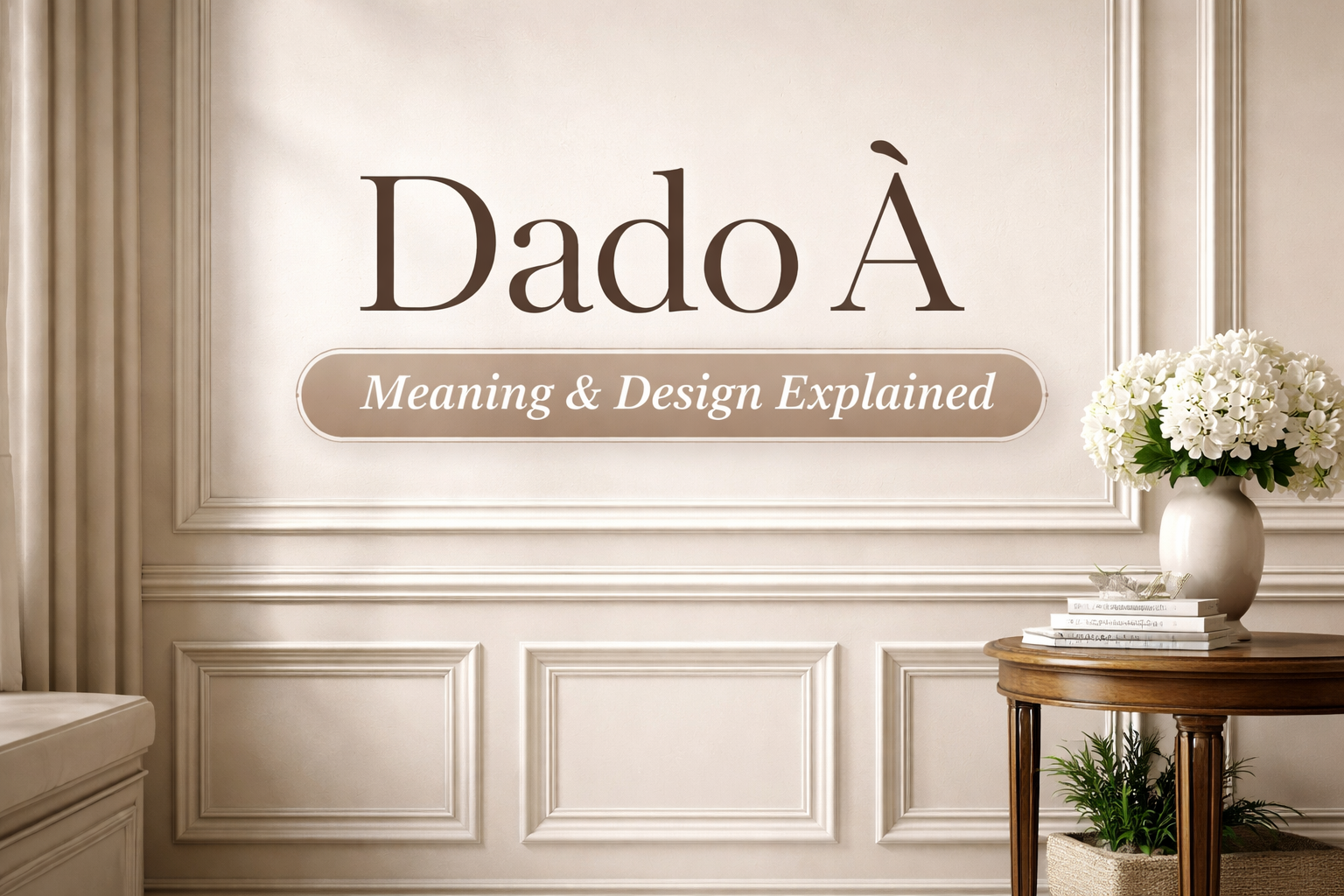
In both language and interior design, certain concepts endure because they balance structure with expression. Dado À is one such concept. More than a phrase or a decorative wall technique, Dado À represents a fusion of historical craftsmanship, architectural depth, and expressive identity.
Whether explored as a traditional wall treatment in interior design or as a linguistic expression describing natural inclination, Dado À reflects intentional design, thoughtful layering, and enduring character. Designers, writers, and home décor enthusiasts alike are drawn to Dado À for its ability to transform spaces—and language—through structure and meaning.
This comprehensive guide explains the meaning, origin, usage, and modern relevance of Dado À, connecting creativity, culture, and timeless design principles.
What Does Dado À Mean?
Dado À refers to natural inclination or inherent disposition, but its meaning extends beyond language into architecture and interior design.
In interior design, Dado À describes a decorative wall treatment—often applied to the lower portion of a wall—using materials such as wood paneling, plasterwork, or tile finishes. This technique adds visual depth, protects wall surfaces, and enhances spatial aesthetics.
In expressive language, Dado À functions similarly, describing traits or preferences that feel structurally built into a person’s character. This dual meaning makes Dado À a unique bridge between architecture, design, and human expression.
The Origin and Historical Context of Dado À
The architectural roots of Dado À trace back to Ancient Egypt and Ancient Greece, where early wall treatments and decorative plaster techniques were used to enhance interiors and reinforce structure.
During the Renaissance and Classical Architecture periods, European craftsmen refined the Dado À technique, incorporating it into grand staircases, ballrooms, and formal interiors. Precision measurement, durable materials, and decorative finishing defined its execution.
In European architecture, Dado À became synonymous with craftsmanship and permanence. Today, modern architecture and interior design continue to adapt Dado À for minimalist spaces, accent walls, and commercial environments—proving its lasting relevance.
The Conceptual Foundation of Dado À
At its core, Dado À represents structure, identity, and intentional design.
- In spatial design, it functions as wall paneling that protects surfaces while enhancing visual harmony.
- In language, it conveys consistent inclination or enduring character rather than temporary behavior.
In both cases, Dado À prioritizes function paired with meaning, reinforcing the idea that true design—whether visual or linguistic—serves a purpose beyond decoration.
How to Correctly Use Dado À in Sentences
Using Dado À effectively in language mirrors good interior design principles: clarity, balance, and restraint. The term should describe enduring traits or natural tendencies, not fleeting actions.
Using Dado À for Personal Traits or Habits
When applied to personality, Dado À suggests qualities developed over time. For example, describing someone as Dado À patience or Dado À leadership implies a deeply ingrained disposition—much like architectural elements designed for longevity.
Using Dado À to Express Preferences or Inclinations
Dado À can also describe what someone naturally gravitates toward, such as being Dado À creative environments or Dado À quiet spaces. This usage communicates inherent preference rather than momentary choice.
Common Mistakes to Avoid When Using Dado À
A frequent mistake is using Dado À to describe short-term actions instead of lasting inclination. Overusing the term can also dilute its impact, just as excessive wall treatments can overwhelm a room.
Forcing Dado À into sentences where simpler wording would suffice may reduce readability. As with decorative finishing in architecture, precision and moderation yield the best results.
Dado À as an Expression of Human Disposition
Just as architectural craftsmanship reveals design intent, Dado À in language reveals human disposition. It offers a nuanced alternative to rigid labels, expressing identity through inclination rather than definition.
Writers, educators, and storytellers often use Dado À to create emotionally intelligent communication that feels organic, authentic, and trustworthy.
Cultural and Psychological Relevance of Dado À
Culturally, Dado À reflects European design traditions that value craftsmanship, permanence, and thoughtful expression. Psychologically, it aligns with how individuals perceive identity and consistency.
Just as interior design influences how people feel within a space, expressive language shapes how people understand themselves. This dual relevance explains why Dado À continues to resonate across home décor, architecture, and personal development.
Modern Relevance of Dado À in Digital Communication
In an era driven by authenticity, expressive language plays a critical role in personal branding and digital storytelling. Dado À supports this shift by conveying sincerity and natural inclination.
Similarly, in modern commercial design and retail environments, Dado À wall treatments guide attention, enhance experience, and create visual narratives. In both digital communication and spatial design, Dado À enables emotional and visual storytelling.
Synonyms and Alternatives for Dado À
Common alternatives include:
- Naturally inclined toward
- Drawn to
- Disposed toward
- Inherently suited for
These variations preserve meaning while offering stylistic flexibility—much like choosing between plaster, wood, or tile in wall design.
Practical Tips for Mastering the Use of Dado À
- Use Dado À only for lasting traits or genuine inclinations
- Avoid repetition
- Maintain sentence balance and clarity
- Read sentences aloud to ensure natural flow
Effective expression, like effective design, unites function and beauty.
Why Dado À Matters in Thoughtful Expression
Dado À enables deeper identity expression in a fast-paced communication landscape. It adds emotional depth, builds trust, and reinforces authenticity. Just as aesthetic design elevates physical spaces, thoughtful language elevates human connection.
The Future Potential of Dado À
As content trends move toward narrative depth and identity-driven storytelling, expressive constructs like Dado À will remain relevant. From DIY design projects to architectural storytelling and personal communication, Dado À will continue bridging inner inclination and outward expression.
Conclusion
Dado À exists at the intersection of architecture, interior design, and expressive language. From Ancient Egypt to modern interiors, from decorative wall techniques to linguistic nuance, it represents craftsmanship, structure, and meaning.
When used thoughtfully, Dado À enriches both physical environments and written expression—demonstrating that timeless design and powerful language share the same foundation: purpose, balance, and human connection.
Frequently Asked Questions (FAQs)
What is Dado À in interior design?
Dado À is a decorative wall treatment that adds visual depth using materials such as wood paneling, plasterwork, or tile finishes, while also protecting lower wall surfaces.
Is Dado À a historical architectural technique?
Yes. Dado À originated in ancient civilizations and evolved through Renaissance and European architecture as a symbol of craftsmanship and interior refinement.
How do you use Dado À correctly in language?
In language, Dado À describes natural inclination or personal disposition and should be reserved for consistent traits rather than temporary behaviors.
What materials are commonly used in Dado À wall design?
Wood panels, plaster finishes, tiles, and decorative moldings are commonly used to create layered textures and durable wall treatments.
Why is Dado À still relevant in modern design and communication?
Dado À remains relevant because it blends timeless design principles with modern aesthetics and authentic expression, adding depth to both interiors and language.







One thought on “Dado À: Meaning, Usage, and Design Significance Explained 2026”