Cellulysis: Understanding the Process and Its Applications 2026
Introduction to Cellulysis
Cellulysis is a well-established process in science and medicine that involves breaking down cell walls to release the internal components of a cell. This process is fundamental to multiple fields, including molecular biology, biotechnology, food science, and cosmetic medicine.
Over the years, researchers have developed safe and effective methods to disrupt cell membranes. Today, cellulysis is no longer limited to laboratory use. It plays a key role in medical research, industrial food production, and modern aesthetic treatments worldwide.
The Biological Background of Cellulysis
Cells are naturally protected by membranes, and in plants and bacteria, by rigid cell walls. These structures provide strength and protection but make it difficult to access internal materials.
To overcome this, scientists rely on several methods:
- Enzymatic methods, such as cellulase, to gently degrade cell walls
- Chemical approaches, using detergents or acids
- Mechanical techniques, including grinding or agitation
- Physical processes, like freeze-thaw cycles and osmotic shock
Together, these techniques form the foundation of modern cellulysis in biotechnology and medical research.
How Cellulysis Works in Practice
The method used for cellulysis depends on the intended application.
In biotechnology laboratories, enzymes such as cellulase are preferred because they preserve sensitive cellular materials. When speed or large-scale processing is required, chemical agents are often used. Mechanical methods rely on physical force, while physical techniques manipulate temperature or pressure to disrupt cells.
Each method is selected based on precision, safety, and the desired outcome.
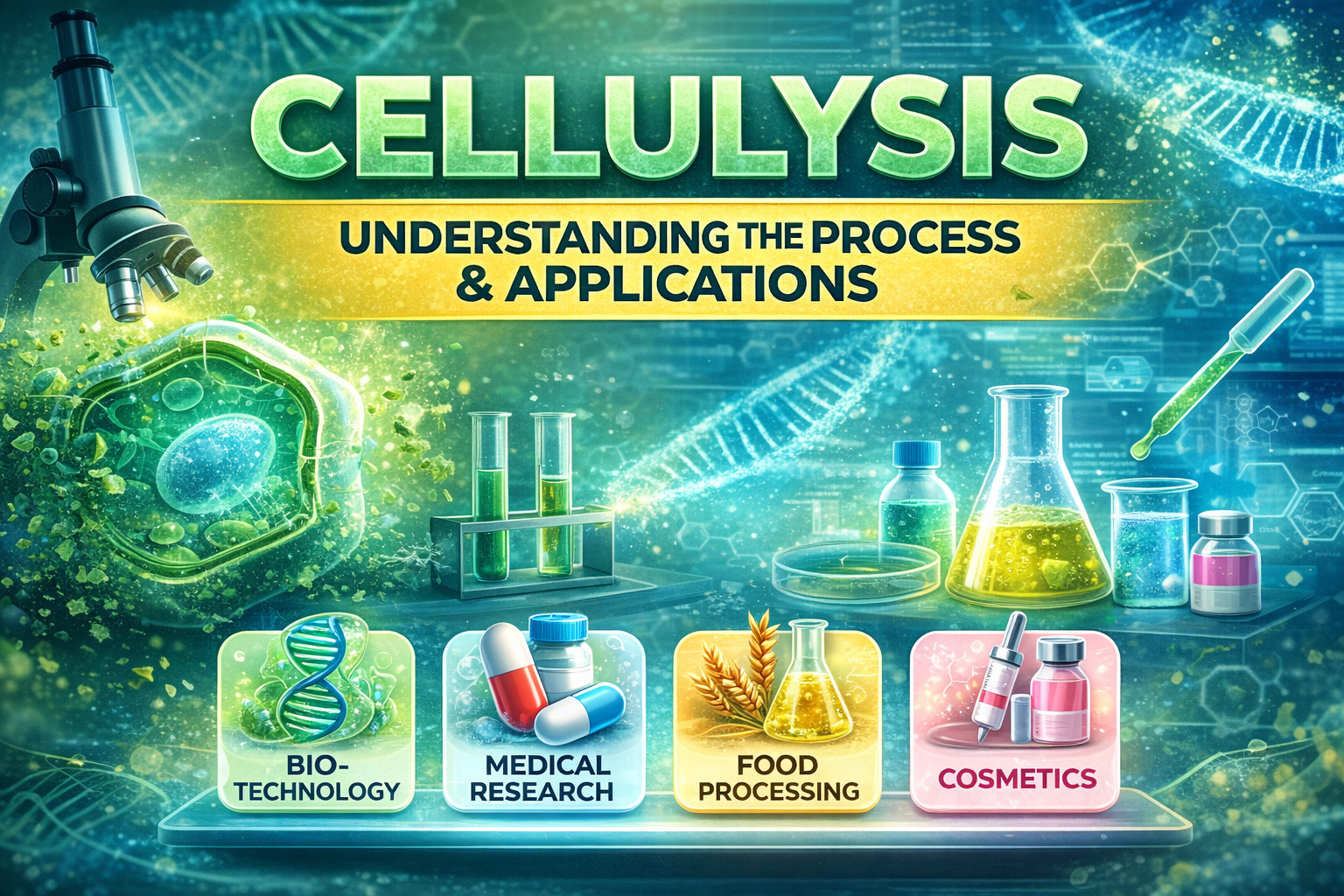
Applications of Cellulysis in Biotechnology
Cellulysis is essential across multiple industries:
- Molecular biology: Extraction of DNA, RNA, and proteins
- Medical research: Drug development and vaccine production
- Food and beverage: Improved texture, flavor, and nutrient release
- Cosmetic science: Fat cell breakdown and body contouring
Its versatility makes cellulysis a cornerstone of applied biological sciences.
Cellulysis in Cosmetic and Aesthetic Treatments
In cosmetic medicine, cellulysis is used to target and break down fat cells in a controlled manner. This approach helps reduce localized fat deposits and improves skin texture and firmness.
Because it is non-surgical, cellulysis-based treatments offer shorter recovery times and lower risks compared to invasive procedures.
Popular Treatments Using Cellulysis
One of the most widely used cosmetic applications of cellulysis is mesotherapy. This technique involves injecting active compounds into the skin to stimulate fat reduction.
A well-known example is the MesoMedica Meso Cellulysis Cocktail, which contains:
- Phosphatidylcholine (PPC)
- Sodium deoxycholate
- L-carnitine
- Caffeine
These ingredients work together to dissolve fat, boost metabolism, and improve blood circulation.
Benefits of Cosmetic Cellulysis
Cellulysis-based cosmetic treatments provide several advantages:
- Reduction of localized fat deposits
- Improved body contouring and shaping
- Enhanced skin firmness and texture
- A non-surgical alternative to liposuction
These benefits make cellulysis an attractive option for individuals seeking effective aesthetic solutions without surgery.
Safety and Professional Use
When performed by trained professionals, cellulysis is considered safe. Compounds such as sodium deoxycholate and phosphatidylcholine require precise dosing and technique.
Similarly, in laboratory settings, researchers carefully select cellulysis methods to ensure accurate results and sample integrity. Proper training and protocol adherence are essential in all applications.
Comparing Cellulysis Methods
| Method Type | Example Technique | Common Application |
|---|---|---|
| Enzymatic | Cellulase | Biotechnology and research |
| Chemical | Sodium deoxycholate, PPC | Cosmetic treatments |
| Mechanical | Grinding, agitation | Laboratory sample preparation |
| Physical | Freeze-thaw, osmotic shock | DNA and RNA extraction |
This comparison highlights that cellulysis is a group of techniques rather than a single process.
Role of Enzymes in Cellulysis
Enzymes like cellulase play a critical role in cellulysis. They allow researchers to extract proteins and nucleic acids without damaging them, which is vital in molecular biology.
Enzymatic methods are also more environmentally friendly than harsh chemical alternatives, making them a preferred choice in sustainable research practices.
Cellulysis in the Food Industry
The food and beverage industry uses cellulysis to break down plant cell walls, releasing nutrients and improving digestibility. This process enhances flavor, clarifies juices, and supports the development of healthier food products.
By controlling cellular components, food scientists can balance taste, texture, and nutrition more effectively.
Medical Research and Cellulysis
Cellulysis is central to medical research. By opening cells, scientists can study pathogens at the molecular level, supporting vaccine development and targeted therapies.
Access to internal cellular components also aids in drug testing, ensuring safety and effectiveness before treatments reach clinical use.
Cosmetic Innovation and Mesotherapy
Modern cosmetic science has integrated cellulysis into advanced treatments like mesotherapy. These procedures combine biotechnology and aesthetics, delivering visible results without surgery.
Products such as the MesoMedica Meso Cellulysis Cocktail demonstrate how scientific innovation continues to improve safety, effectiveness, and patient satisfaction.
The Future of Cellulysis
The future of cellulysis is promising. Advances in enzyme technology may improve efficiency, while cosmetic research will continue refining non-surgical fat reduction techniques.
As demand grows for safe, natural, and sustainable solutions, cellulysis will remain a critical process in laboratories, clinics, and industry.
Conclusion
Cellulysis is a vital process connecting biology, medicine, and cosmetic science. From DNA extraction in research labs to non-invasive fat reduction treatments, its applications are wide-ranging and impactful.
Used in molecular biology, biotechnology, medical research, food science, and aesthetics, cellulysis continues to prove its importance. With ongoing scientific progress, cellulysis will become even more precise, safe, and widely applied.
Frequently Asked Questions (FAQs) About Cellulysis
What is cellulysis?
Cellulysis is the process of breaking down cell walls or cell membranes to release the internal components of a cell. It is widely used in science, medicine, food production, and cosmetic treatments.
What is the purpose of cellulysis?
The main purpose of cellulysis is to access materials inside cells, such as DNA, proteins, or fats. This helps in laboratory research, medical studies, food processing, and non-surgical cosmetic treatments.
How does cellulysis work?
Cellulysis works by weakening or breaking cell walls using enzymes, chemicals, mechanical force, or physical changes like temperature or pressure. The method used depends on the desired outcome.
Is cellulysis safe?
Yes, cellulysis is safe when performed by trained professionals. In cosmetic and medical applications, licensed specialists follow strict guidelines to ensure correct dosage and technique.
What are the different methods of cellulysis?
There are four main methods of cellulysis:
- Enzymatic (using cellulase enzymes)
- Chemical (using compounds like sodium deoxycholate)
- Mechanical (grinding or agitation)
- Physical (freeze-thaw or osmotic shock)
What is cellulysis used for in biotechnology?
In biotechnology, cellulysis is used to extract DNA, RNA, and proteins from cells. It plays a key role in genetic research, diagnostics, and drug development.
How is cellulysis used in cosmetic treatments?
In cosmetic medicine, cellulysis helps break down fat cells to reduce localized fat deposits. It is commonly used in treatments like mesotherapy for body contouring and skin improvement.
What is mesotherapy cellulysis?
Mesotherapy cellulysis is a cosmetic treatment where active substances are injected into the skin to dissolve fat cells. These substances stimulate fat breakdown and improve circulation.
What ingredients are used in cellulysis injections?
Common ingredients include phosphatidylcholine (PPC), sodium deoxycholate, L-carnitine, and caffeine. These compounds work together to break down fat and boost metabolism.
Is cellulysis better than liposuction?
Cellulysis is a non-surgical alternative to liposuction. While results are more gradual, it involves less risk, minimal downtime, and no surgery.
What role do enzymes play in cellulysis?
Enzymes like cellulase gently break down cell walls without damaging internal components. This makes them ideal for laboratory research and environmentally friendly processes.
How does cellulysis benefit the food industry?
Cellulysis helps release nutrients, improve digestion, and enhance flavor in food products. It is commonly used in juice production and plant-based food processing.
Can cellulysis be used in medical research?
Yes, cellulysis is essential in medical research. It allows scientists to study cells, pathogens, and proteins, supporting vaccine development and drug testing.
What is the future of cellulysis?
The future of cellulysis includes more efficient enzymes, safer cosmetic treatments, and sustainable research methods. Its applications are expected to expand in medicine and biotechnology.